

Dr Doug is a veterinarian, and much of the Turmeric User Group’s experience comes from dogs and horses. Start with the basics below, then browse the articles for each animal.
Before you start: if your animal is on any medication, is pregnant, or is due for surgery, check with your vet first. High-strength 95% curcumin capsules are not recommended for animals; use turmeric powder or Golden Paste instead.
IS YOUR ANIMAL ON MEDICATION?
Check the Medication interactions A–Z guide
Look up your animal’s medicine in our A–Z guide of more than 400 medicines before starting turmeric, then talk it through with your vet.
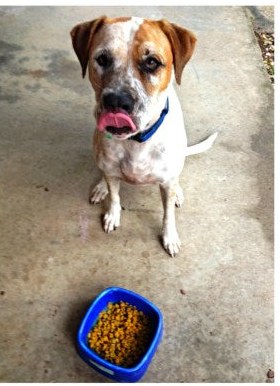
Dogs
Start with a small amount mixed into food, about 1/4 teaspoon of Golden Paste or turmeric powder (with oil and black pepper), at least twice a day. Increase gradually over two to three weeks. If you see loose stools, drop back to about 1/8 teaspoon for a while.
→ Turmeric for dogs: getting started
→ All dog and cat articles
Cats
Cats are fussier eaters and much smaller, so start with a very small amount (a pinch, or a smear of Golden Paste) in wet food. Talk to your vet first, especially if your cat has kidney or liver problems or takes medication.
→ Turmeric for cats: go small and go slow
Horses
Most owners start with about 1 teaspoon of a turmeric, oil and black pepper mix twice a day in wet feed, and increase about once a week until they find a maintenance amount. There’s no set dose; little and often works best.
→ Turmeric for horses: getting started
→ All horse articles
A common surprise
Some dogs and horses develop a “cat pee” smell when they start turmeric. It usually fades within a couple of weeks. Adding about a tablespoon of Ceylon cinnamon (not cassia) to a batch of Golden Paste can help.

